
Teaching Notice and Note Signposts
- Alyssa Argentieri
- Feb 5, 2022
- 3 min read

Updated: Feb 24, 2022
A few years ago, my principal gave all the teachers in my school a homework assignment. We were supposed to read Notice and Note by Kylene Beers. At the time, I was not thrilled about the extra work. I had so many other things on my to do list and this just seemed like one more thing. However, after reading the book and discussing it with my peers, I found it really beneficial.

What are signposts?
I teach my students that signposts are things that authors put in their writing for readers to notice and think about. I relate signposts to real life by talking to them about how there are signs on the road and how drivers are supposed to stop and notice these signs. There are 6 fictional signposts: Words of the Wiser, Contrasts & Contradictions, Aha Moment, Tough Questions, Memory Moment and Again & Again. Each signpost describes something commonly found in fictional stories and gives students a question to think about when they find that signpost. For example, Words of the Wiser is when an older and wiser character gives some really important advice. When students see a "Words of the Wiser" in a story, they should ask themselves, "What is the life lesson and how might it affect the character?"
Why teaching signposts is beneficial?

I teach 3rd grade which is a huge testing grade. Whether we mean to or not, we often get sucked into teaching to the test and go week after week teaching the anchor standards and asking questions similar to what might be on the end of grade test. Teaching signposts gives students a purpose for reading and helps encourage close reading. Every time I have taught signposts to a class, it has sparked something in my students. Our class discussions are so much better and my kids are thrilled when they can find signposts in their own independent reading books.
How to teach the 6 signposts:
I have seen most signpost resources focused on upper grades but I have taught it in both 2nd and 3rd grades. First I explain what to look for when looking for that particular signpost. I have students add the definitions to their signpost chart.

Next, I like to engage the students in finding the signpost using a Pixar shorts or other short Youtube videos. These short videos are engaging and allow students to quickly apply their new skill. After we watch the short video clip and discuss what signpost we saw and we add the name of the video to the example section of our chart. we read a picture book to practice identifying the signpost again. After each lesson, I tell students to look for signposts in their independent reading books. The following day, I always ask if anyone has found any signposts and if they have then they add a sticky note to one of our charts. We were pretty early on in our Signpost journey when I took the photos of our charts so there aren't many sticky notes yet. I absolutely love teaching signposts because of the difference I see in my students' close reading skills. It is so amazing to see it all click for them.
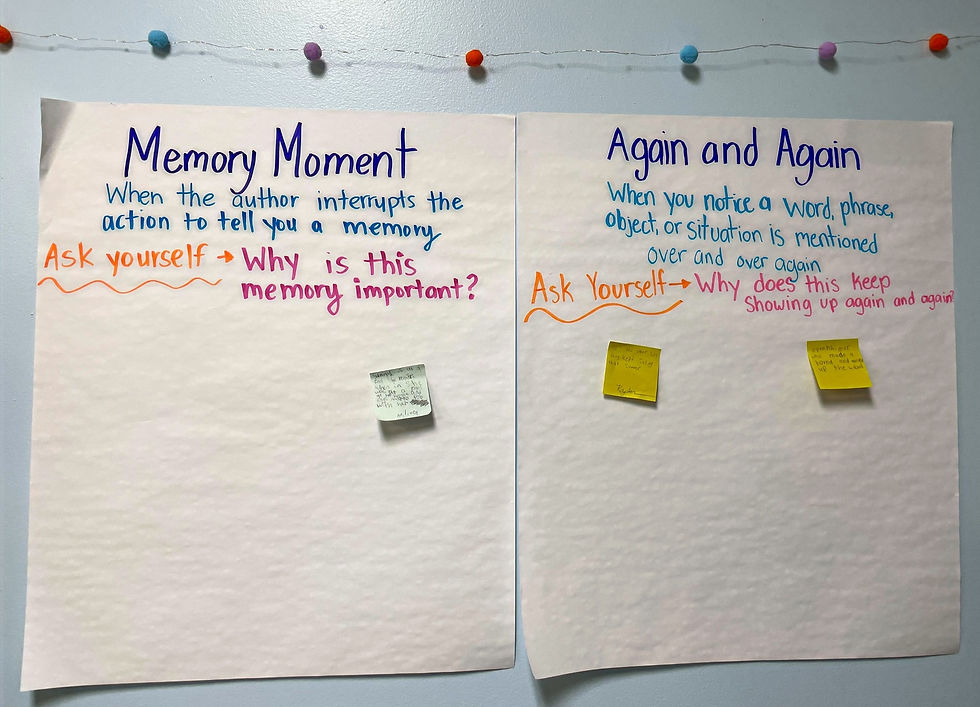
I used a Google Slideshow to help guide my students through learning the 6 Signposts. Click below to download the FREE Google Slides.


Did you know there is also a book for Reading Nonfiction: Notice and Note?


Comments